The Journal
Sleep, fasting, cold, focus and longevity: what the evidence says, with doses and caveats.
Leer en español →
Magnesium Types Compared: Glycinate vs Threonate vs Citrate
When comparing magnesium types , it's important to understand how magnesium glycinate, threonate, and citrate differ in absorption and efficacy. Choosing the right form can impact sleep quality, cognitive function, and muscle…

How Sleep Quality Drives Your HRV
The connection between sleep and HRV is a critical component of optimizing your health and performance. High-quality sleep can improve your HRV, a measure of autonomic nervous system balance, leading to better…
Smart Ring vs Smartwatch for Recovery Tracking
In the debate between a smart ring vs smartwatch for recovery tracking, both devices offer unique advantages. Smart rings provide discreet, continuous monitoring while smartwatches offer broader functionality. Choosing the right device…
Contrast Therapy: The Hot-Cold Protocol
Contrast therapy, commonly referred to as the contrast therapy hot cold protocol, is a therapeutic technique involving alternating between hot and cold treatments. This method has gained popularity for its potential to…

How Often to Sauna for the Longevity Benefits
To harness the longevity benefits of saunas , aim for 3-4 sessions per week. Regular sauna use is linked to improved cardiovascular health, improved detoxification, and enhanced mental clarity. This frequency aligns…

Neurofeedback Training for Peak Focus
Neurofeedback for focus is an advanced technique used to enhance cognitive performance and maintain attention. This method leverages real-time brainwave monitoring to train the brain's focus capabilities, making it a valuable tool…

Binaural Beats for Focus: Does the Science Hold Up?
Binaural beats focus is an intriguing area of study, suggesting that listening to specific audio frequencies can enhance concentration and cognitive performance. This phenomenon relies on the brain interpreting slightly different frequencies…
The Dopamine Detox: Whats Real About Receptor Reset
The dopamine detox is a strategic reduction of stimulating activities to recalibrate the brain's reward pathways, often touted to enhance focus and productivity. Unlike a strict fast, it aims to minimize overstimulation,…
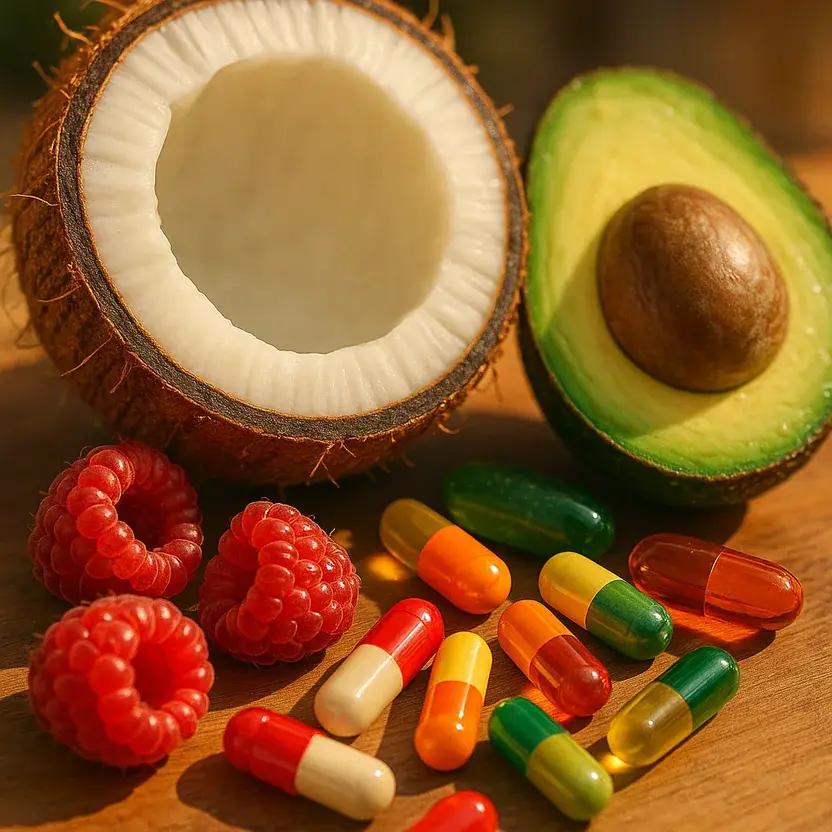
Exogenous Ketones: Worth It for Brain Energy?
Exogenous ketones have gained attention as a potential tool for boosting brain energy, especially for high-performance executives seeking cognitive enhancement. While they don't replace a ketogenic diet, they can supplement brain metabolism…
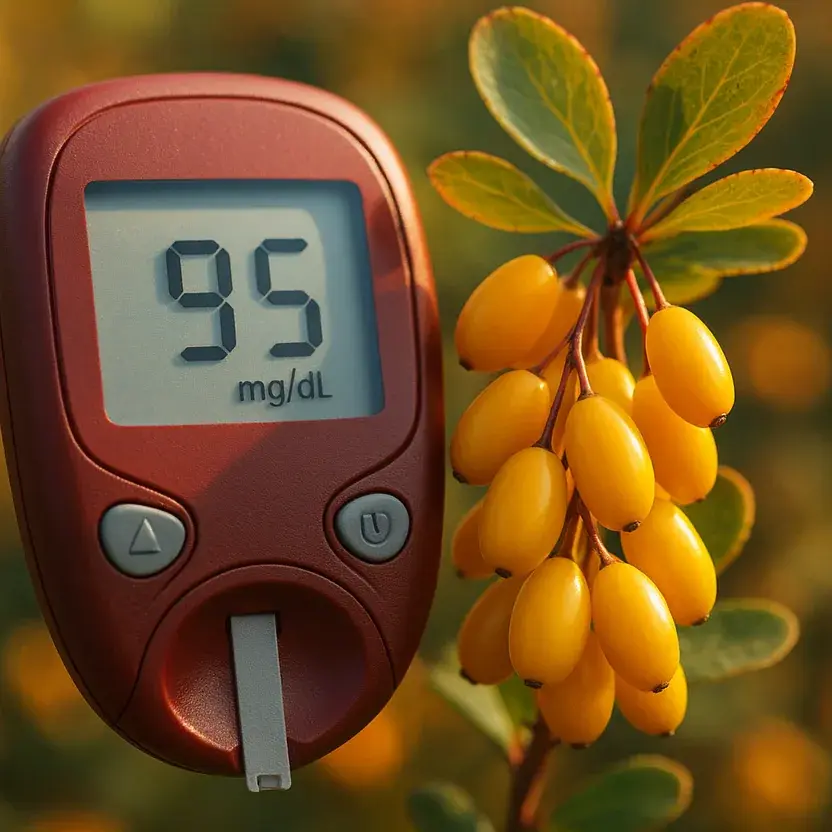
Berberine: Natures Metabolic Lever (and the Caveats)
Berberine blood sugar management is gaining traction amongst those seeking natural methods for metabolic optimization. This compound offers promising benefits for improving insulin sensitivity and reducing glucose levels, particularly for high-performance executives…
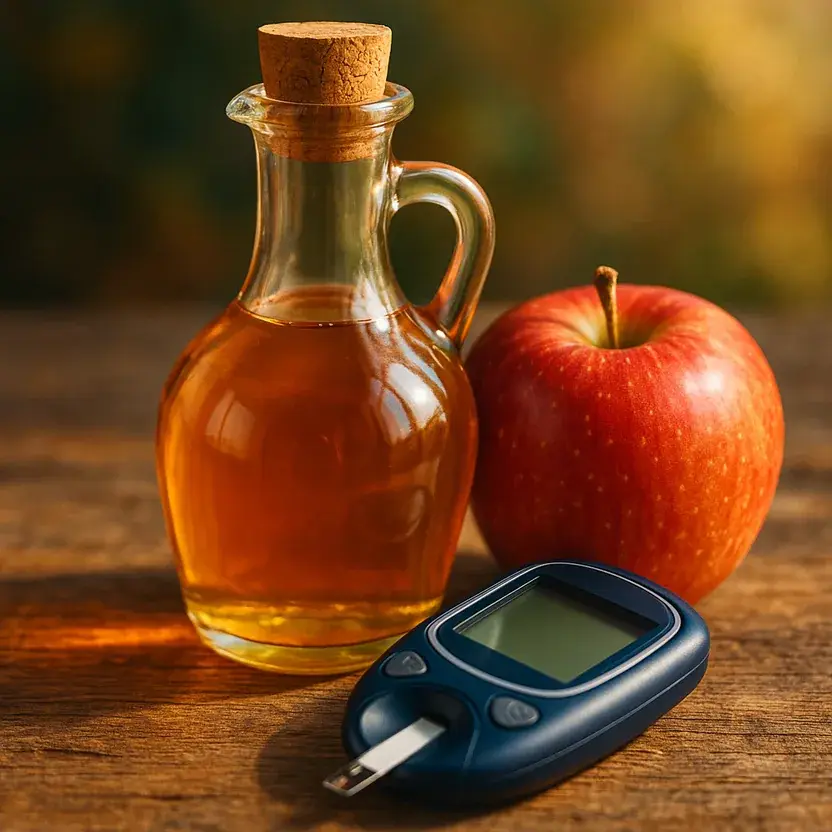
Apple Cider Vinegar Before Carbs: Does It Work?
Integrating apple cider vinegar blood sugar management into your daily routine may help regulate glucose levels, especially when consumed before carbohydrate-rich meals. This approach leverages the acetic acid in apple cider vinegar,…
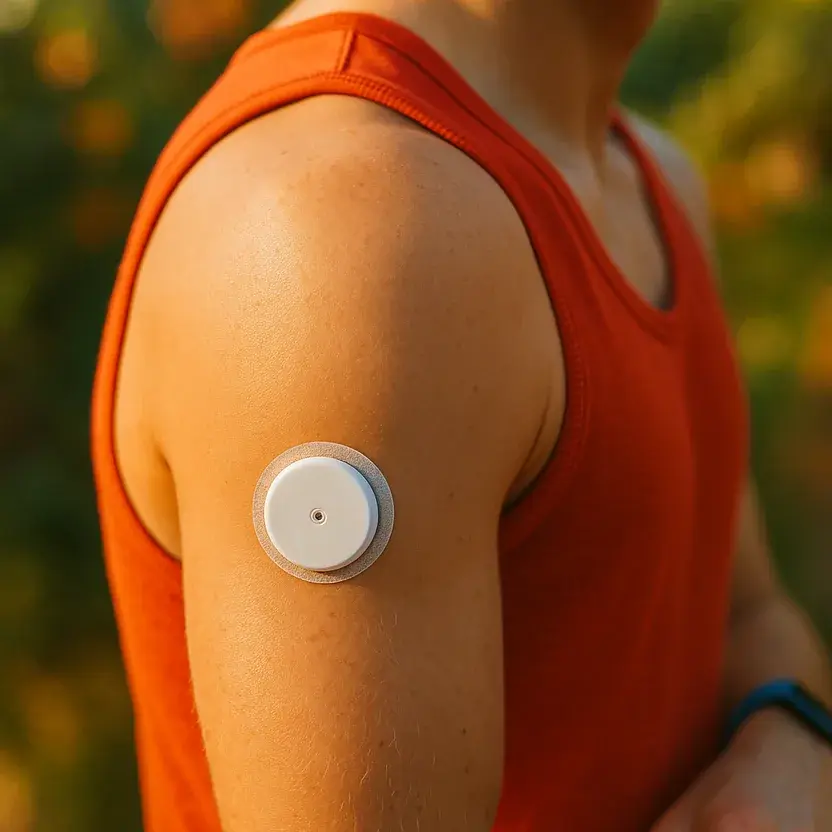
Continuous Glucose Monitors (CGM) for Non-Diabetics
Continuous Glucose Monitors (CGM) for non-diabetics provide a cutting-edge method for optimizing metabolic health and performance. By offering real-time data on glucose levels, CGMs allow healthy individuals, such as high-performance executives, to…

Mouth Taping for Sleep: Nitric Oxide and Nasal Breathing
Mouth taping benefits are being explored for their role in improving sleep quality through enhanced nitric oxide production and nasal breathing. By encouraging nasal breathing, mouth taping can potentially optimize oxygen utilization…

Do Weighted Blankets Improve Deep Sleep?
Weighted blankets have gained popularity for their potential to improve sleep quality, including deep sleep phases. These blankets apply gentle pressure to the body, which may help reduce restlessness and increase relaxation…

Silent Sleep Apnea: The Hidden Cortisol Driver
Silent sleep apnea is a stealthy form of sleep disorder often overlooked, yet it can significantly increase cortisol levels, impacting your overall health and performance. This condition lacks the typical loud snoring…

Should You Remineralize Your Water? The Case for It
Yes, you should remineralize your water to restore essential minerals that are lost in the process of purification. This practice supports optimal health and performance by providing the body with key minerals…
Sodium: Why Low-Salt Advice May Hurt Performance
Sodium plays a crucial role in physiological functions affecting sodium and performance , and low-salt diets may negatively impact physical and cognitive abilities. While reducing sodium is often recommended for general health,…
How Much Water Do You Actually Need per Day?
How much water per day should you drink? The general guideline is about 3.7 liters (125 ounces) for men and 2.7 liters (91 ounces) for women, according to the National Academies of…
Electrolytes: The Hydration Protocol for Performance
Electrolytes and performance are intrinsically connected, influencing hydration levels and cognitive function. Proper electrolyte balance is essential for high-performance executives seeking to optimize mental and physical capacity. In this post, we explore…

Grounding (Earthing): Hype or Real Physiology?
Grounding (earthing) refers to the practice of connecting to the Earth's natural energy by walking barefoot or using grounding devices. Proponents claim it can reduce inflammation, improve sleep, and enhance overall well-being.…

Water Filtration: Is Reverse Osmosis Worth It?
Reverse osmosis water filter systems are highly effective for removing contaminants from drinking water, making them a worthwhile investment for those focused on optimizing health and performance. With a filtration process that…

Indoor Air Quality: The Overlooked Performance Factor
Indoor air quality health is a critical yet often ignored aspect of optimizing executive performance. By understanding and improving the air you breathe, you can enhance cognitive function, reduce fatigue, and ultimately…

EMF Exposure: What the Evidence Actually Says
EMF exposure health is a growing concern as our daily interactions with electronic devices increase. The current evidence suggests that while there are uncertainties, understanding the mechanisms and reducing exposure can mitigate…

Endocrine Disruptors in Plastics: What to Avoid
Endocrine disruptors in plastics can interfere with hormone balance, impacting health and performance. These substances, often found in household items and packaging, can lead to various health issues. Understanding their mechanisms and…
How to Reduce Your Daily Toxin Load: A Practical Guide
To reduce your daily toxin exposure , start by identifying common sources of toxins in your environment, implementing effective strategies to minimize contact, and making informed lifestyle choices. This comprehensive guide outlines…
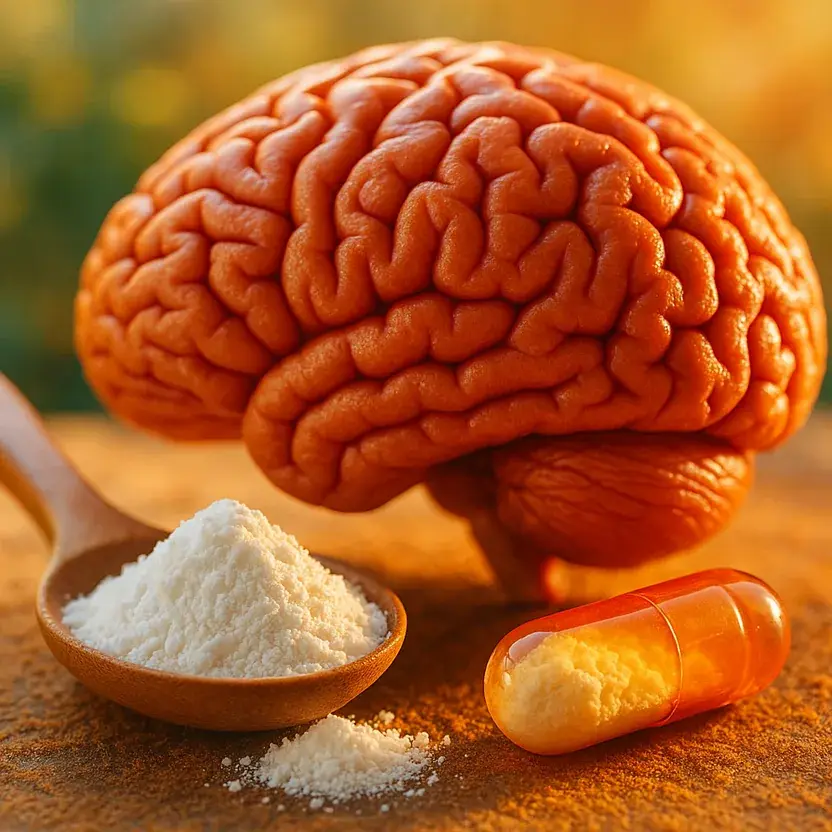
Creatine for the Brain: Beyond Muscle
Creatine, commonly associated with muscle enhancement, is gaining attention for its cognitive benefits. Recent research highlights creatine's potential to support brain health and cognitive performance, especially for high-performance executives. The Scientific Mechanism…

Nasal Breathing During Exercise: The Performance Edge
Nasal breathing during exercise offers a unique performance edge by enhancing oxygen efficiency and reducing stress on the body. By understanding the mechanisms behind nasal breathing, high-performance executives can optimize their workouts…
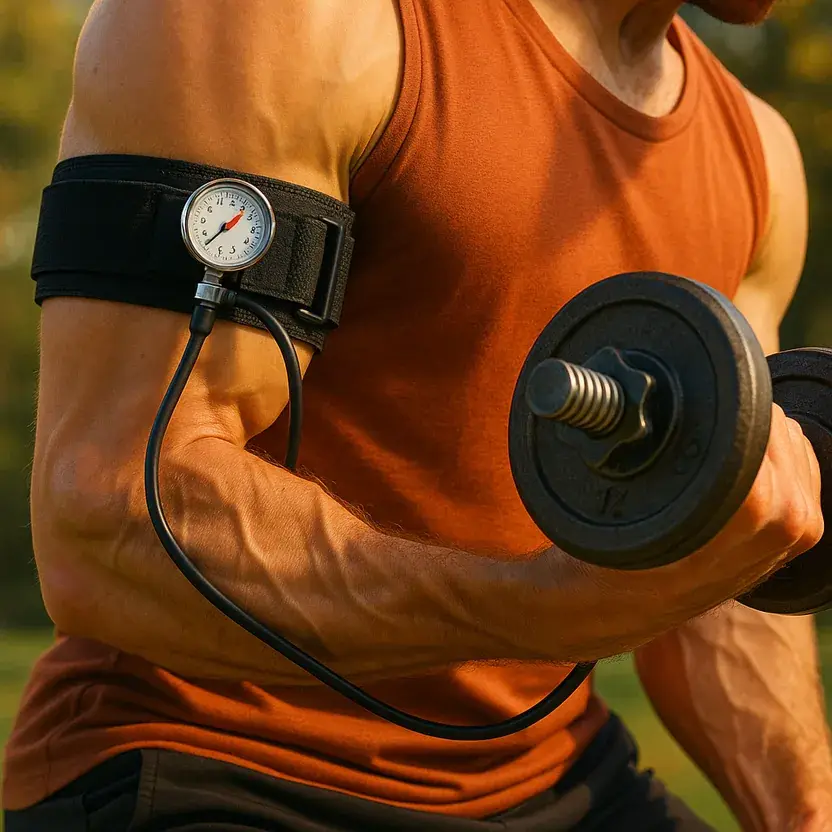
Blood Flow Restriction (BFR) Training: How and Why
Blood flow restriction training (BFR) is an advanced exercise technique that enhances muscle growth and strength while using lighter loads than traditional strength training. By partially restricting blood flow in the working…

Eccentric Training: Build Strength and Bone Density
Eccentric training benefits have gained attention for optimizing strength and building bone density effectively. This technique involves focusing on the elongation phase of muscle contraction, proving to be a potent strategy for…

Grip Strength: A Surprising Predictor of Lifespan
Grip strength is not just an indicator of physical fitness; it is emerging as a critical predictor of lifespan and longevity. Recent research highlights that stronger grip strength is associated with a…
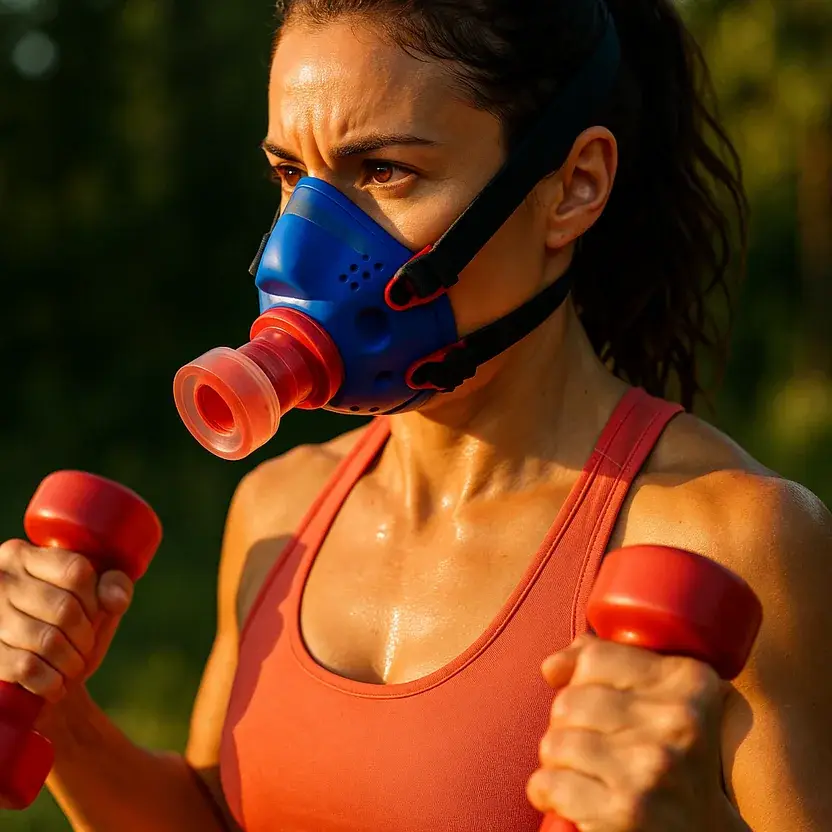
How to Increase VO2 Max: The Training Protocol
Unlocking your potential to increase VO2 max can lead to significant improvements in athletic performance and overall health. VO2 max, a measure of your body's maximal oxygen uptake, is crucial in determining…

Zone 2 Cardio: The Mitochondrial Endurance Protocol
Zone 2 cardio is a fundamental exercise intensity that enhances mitochondrial function and boosts endurance, crucial for high-performance executives seeking to optimize their energy levels and cognitive function. By working at this…
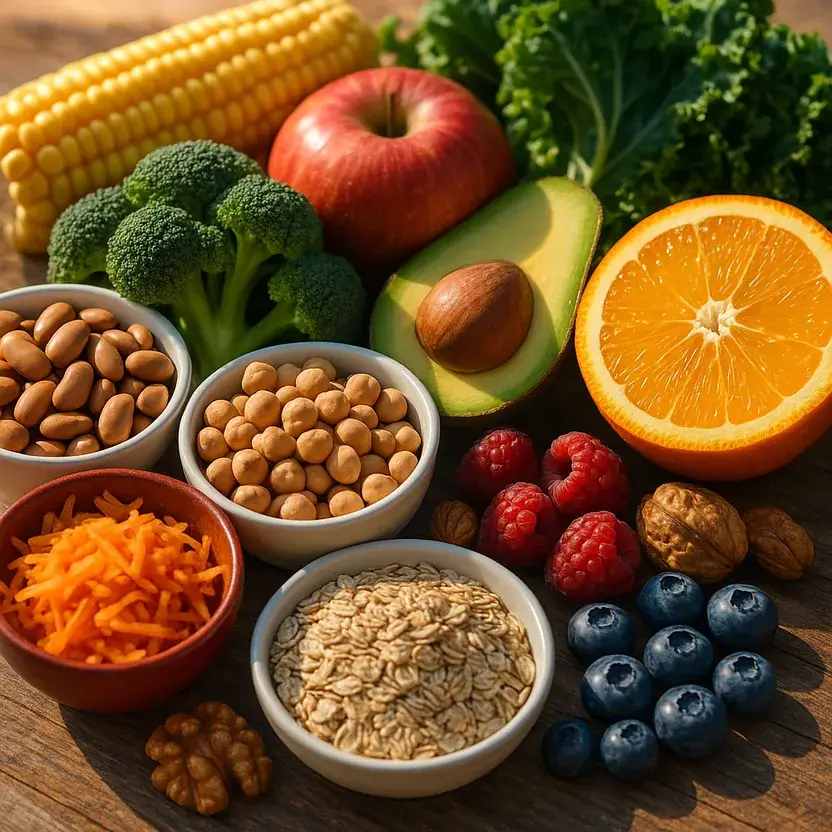
How Much Fiber for Gut Health (and the Best Sources)
The optimal intake of fiber for gut health is around 25-38 grams per day, depending on age and gender. Adequate fiber supports a balanced microbiome, aids digestion, and helps prevent gastrointestinal diseases.…
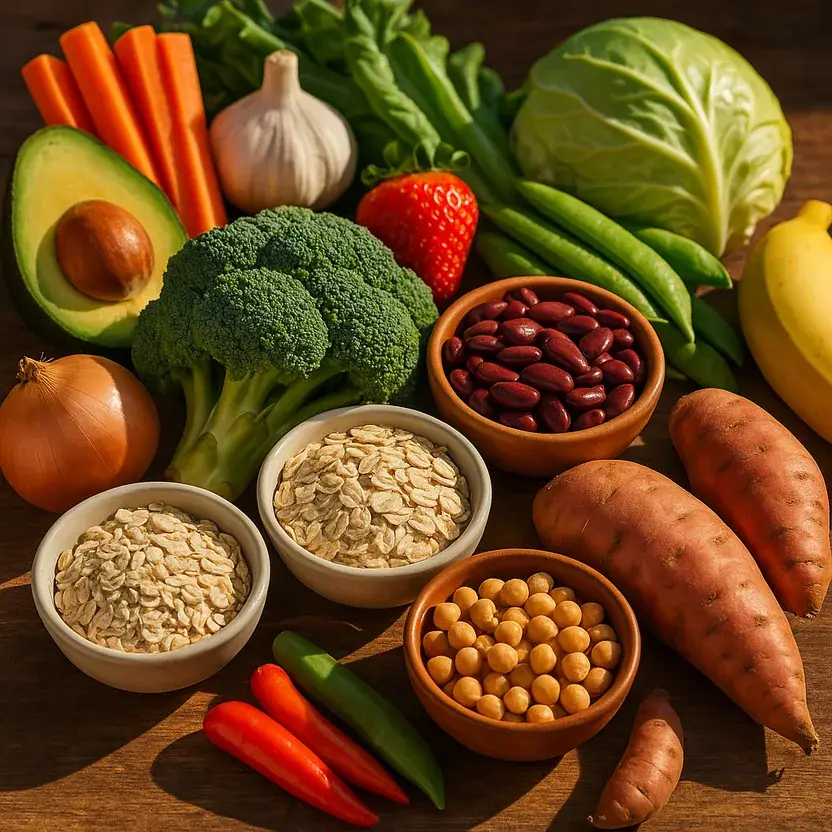
The Best Prebiotic Foods for a Stronger Microbiome
The best prebiotic foods can significantly enhance your microbiome, promoting better gut health and overall wellness. Prebiotics are non-digestible fibers that feed the beneficial bacteria in your gut, helping them thrive. Incorporating…

Leaky Gut: Real Mechanism Real Fixes
Leaky gut symptoms can manifest as digestive issues, fatigue, and even mood disorders, challenging the overall health of high-performance executives. These symptoms result from increased intestinal permeability, where the gut barrier becomes…

Prebiotics vs Probiotics: The Difference and What to Take
Prebiotics vs probiotics: Understanding the difference is crucial for optimizing gut health. Prebiotics are non-digestible fibers that nourish beneficial bacteria, while probiotics are live bacteria that improve the balance of your gut…

The Gut-Brain Axis: How Your Microbiome Drives Mood
The gut-brain axis is a bidirectional communication network that connects your intestinal microbiome with your brain, profoundly influencing mood and mental health. Understanding this connection can inform effective strategies to enhance your…

Gut Health: The Microbiome Optimization Protocol
Optimizing gut health involves creating a balanced microbiome, which can enhance overall wellness and performance. The right protocol can improve digestion, nutrient absorption, and even mental clarity. This guide offers a practical…

Adaptogens for Stress: Which Ones Have Evidence
Adaptogens for stress are natural substances that help the body manage stress more effectively. Key adaptogens with scientific backing include ashwagandha, Rhodiola rosea, and holy basil. These botanical compounds can modulate cortisol…

The Cortisol Awakening Response: Use It Dont Blunt It
The cortisol awakening response is a vital part of the body’s natural rhythm that supports a seamless wake-up process by boosting energy and alertness. This response can be harnessed to enhance performance,…

The Physiological Sigh: The Fastest Way to Calm Down
The physiological sigh is a rapid and effective breathing technique designed to calm the nervous system almost instantly. By engaging in a double inhale followed by a prolonged exhale, individuals can significantly…

Box Breathing: The Navy SEAL Focus Protocol
Box breathing benefits are profound, guiding high-performance executives toward enhanced focus and stress management. This tactical breathing technique, utilized by Navy SEALs, involves controlled breath cycles for optimal nervous system regulation. The…
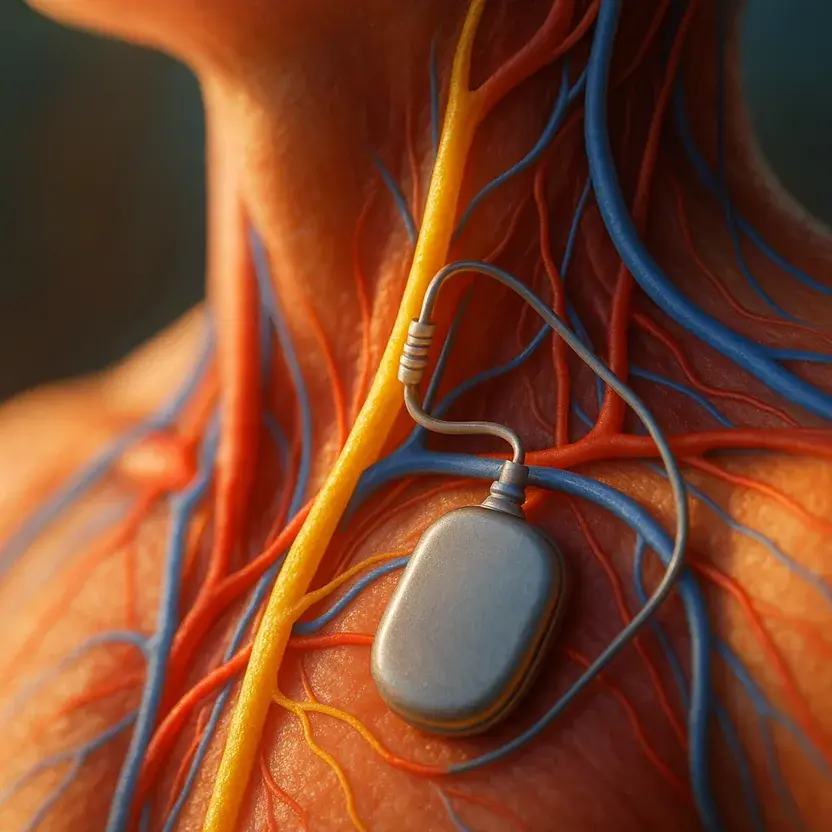
Vagus Nerve Stimulation: How to Activate Parasympathetic Tone
Vagus nerve stimulation is a recognized method to enhance parasympathetic tone, promoting relaxation and reducing stress. By engaging in specific techniques, high-performance executives can tap into this powerful nerve to manage stress…

How to Lower Cortisol: An Evidence-Based Protocol
To lower cortisol levels effectively, implement a combination of lifestyle changes, including improved sleep hygiene, regular physical activity, and stress management techniques. These evidence-based strategies can help modulate cortisol levels and improve…

Light Therapy for Mood and Energy: How to Use It
Light therapy for mood harnesses specific wavelengths of light to influence mood and energy levels. This clinically-studied therapy can help regulate circadian rhythms, alleviate seasonal affective disorder (SAD), and enhance overall well-being.…

Photobiomodulation for Brain Health: The Evidence
Photobiomodulation brain therapy utilizes light to enhance cognitive function and promote brain health. This non-invasive approach may support mental clarity and performance by targeting cellular structures in the brain. The Scientific Mechanism…

Do Blue Light Blocking Glasses Actually Work?
Do blue light blocking glasses work? Yes, blue light blocking glasses can effectively reduce eye strain and improve sleep patterns by filtering out blue light from digital screens. While more research is…
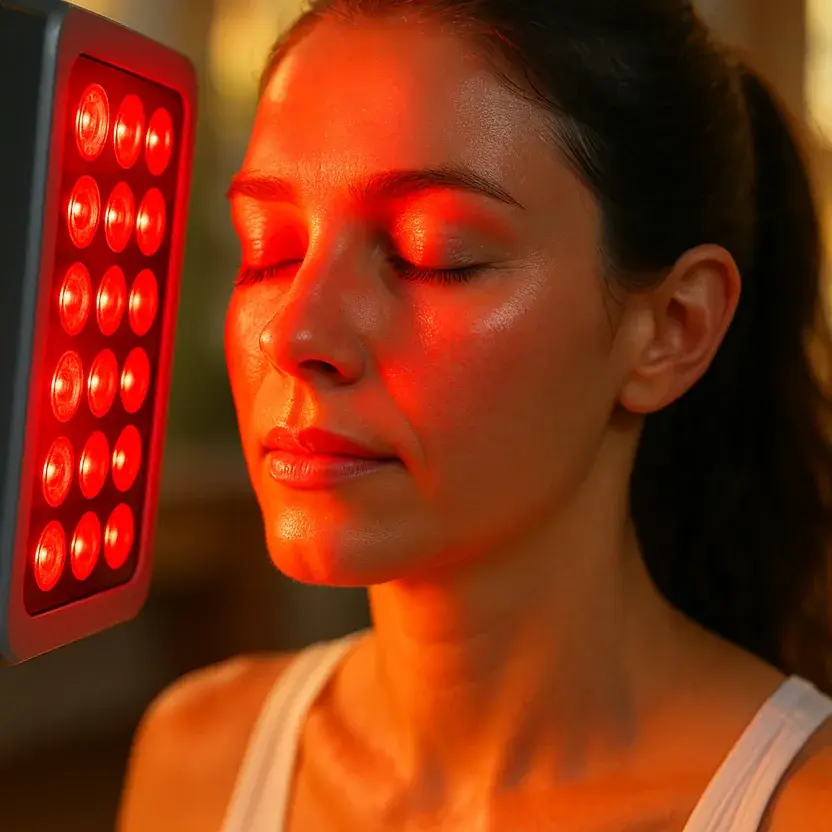
Red Light Therapy: Benefits Dosing and Devices
Red light therapy benefits include improved cellular function and reduced inflammation, making it an appealing option for high-performance executives looking to enhance productivity and well-being. By targeting the body's natural processes, this…

Morning Sunlight: The 10-Minute Circadian Anchor
Experiencing morning sunlight benefits can profoundly impact the synchronization of your circadian rhythms, acting as a powerful anchor for your biological clock. By spending just ten minutes in natural light upon waking,…
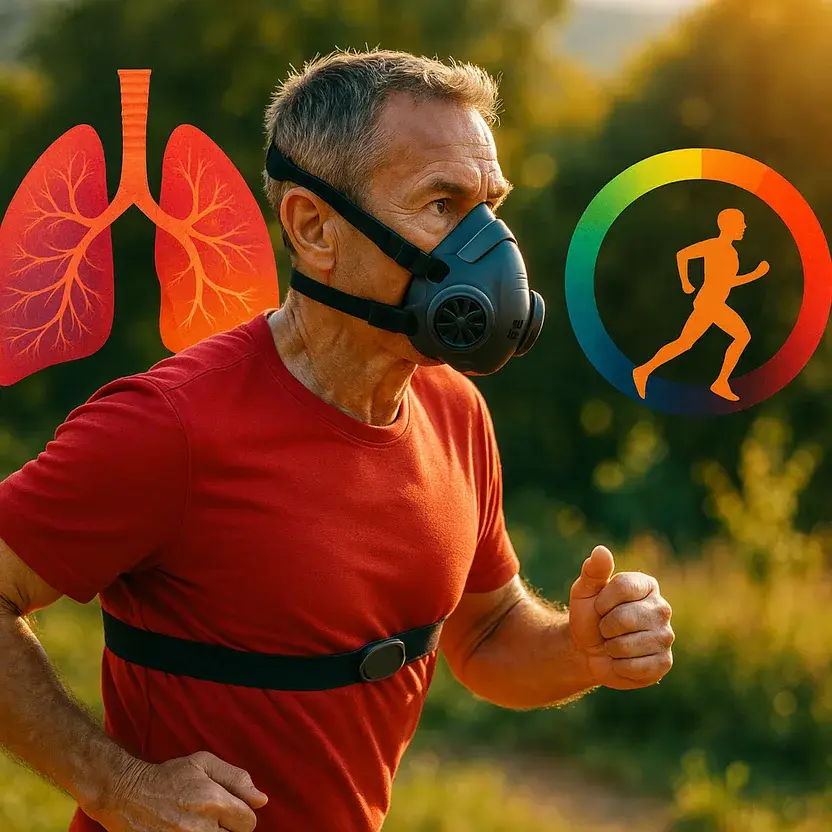
VO2 Max: The Strongest Predictor of Longevity
VO2 max is emerging as one of the strongest predictors of longevity , serving as a key indicator of cardiovascular and respiratory health. By understanding and optimizing your VO2 max, you can…

Telomeres: What Actually Protects Them (and What Doesnt)
Protecting your telomeres is critical for maintaining cellular health and longevity. Ensuring these protective caps on your chromosomes remain robust can help slow the aging process and reduce the risk of age-related…
Senolytics: Clearing Zombie Cells with Quercetin and Fisetin
Senolytics such as quercetin and fisetin help target and remove senescent cells, also known as "zombie cells," which accumulate with age and contribute to various age-related diseases. Understanding how these compounds work…

Spermidine: The Autophagy Supplement Backed by Data
Spermidine benefits have gained attention as a promising way to support autophagy, the body's natural cellular recycling process, which may contribute to longevity and cellular health. This supplement, found in foods like…

How to Trigger Autophagy: Fasting Exercise and Timing
Understanding how to trigger autophagy can significantly impact cellular health and longevity. The process involves the body's ability to clean out damaged cells, making way for new ones. This article delves into…

NAD+ and Aging: Why Levels Crash and How to Restore Them
NAD+ and aging are intricately connected, with declining NAD+ levels being a hallmark of aging. This vital coenzyme plays a crucial role in cellular energy production and DNA repair. Understanding why NAD+…
The Longevity Supplement Stack: What Actually Has Evidence
Longevity supplement stack refers to a combination of supplements aimed at promoting a longer, healthier life. Evidence suggests that certain supplements may support longevity through various mechanisms. This article explores these mechanisms…
CDP-Choline: Benefits Dose and Stacking
CDP-Choline benefits encompass enhanced cognitive function and improved memory, making it a popular choice among high-performance executives seeking a mental edge. Understanding the correct dosage and how to effectively stack CDP-Choline with…
Alpha-GPC: The High-Density Choline for Peak Output
Alpha-GPC is a potent source of choline that enhances cognitive functions, making it ideal for high-performance executives seeking peak output. By providing the nutrients necessary for optimal brain function, Alpha-GPC stands out…
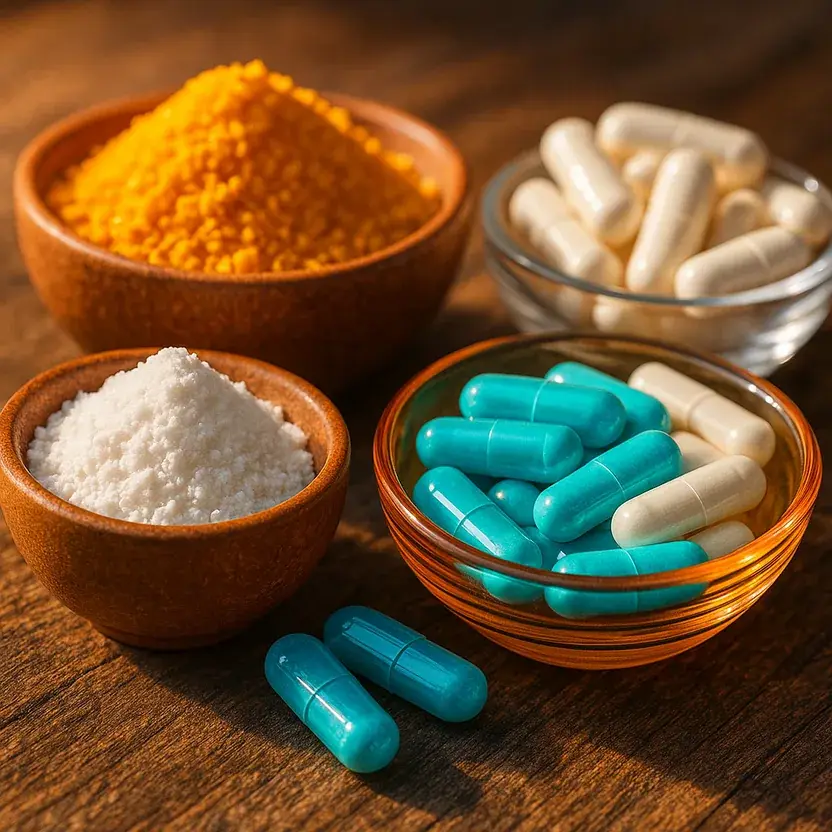
NMN vs NR: Which NAD+ Precursor Is Worth It?
NMN vs NR is a topic of interest for those investigating NAD+ precursors for achieving optimal health. Both NMN and NR are compounds promising to enhance NAD+ levels, which play a critical…

The Best Time to Drink Coffee (Delay It 90 Minutes)
The best time to drink coffee is approximately 90 minutes after waking up. This timing helps you avoid interfering with your natural cortisol production, allowing you to optimize your energy and cognitive…
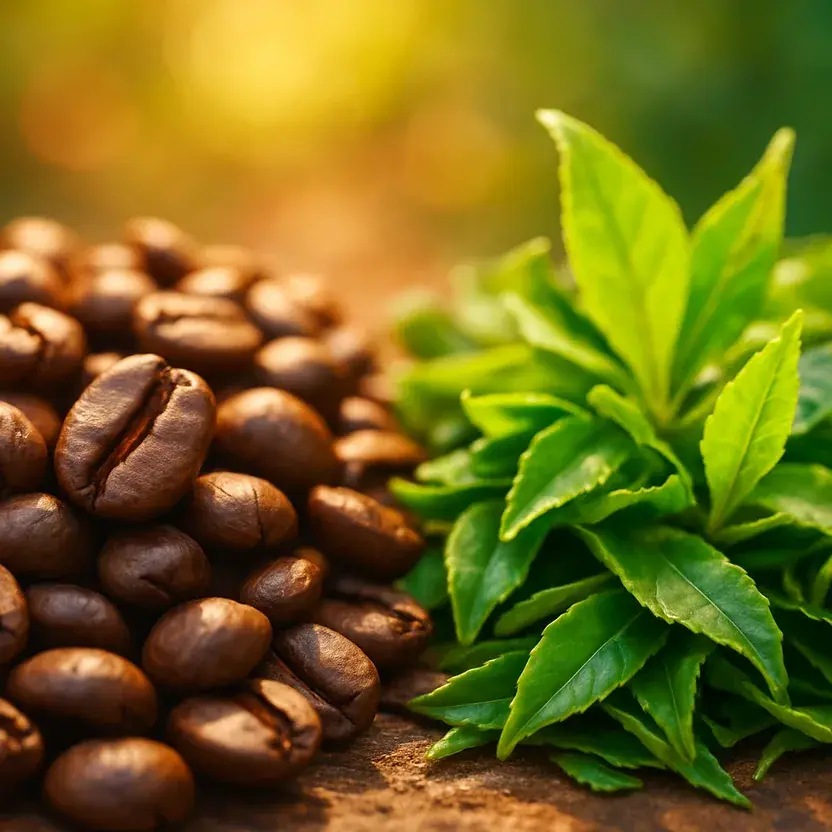
Caffeine + L-Theanine: The Ratio for Calm Focus
The optimal caffeine and L-theanine ratio is typically 1:2 for enhancing focus while maintaining calm. This combination can provide the stimulating effects of caffeine while minimizing jitters and anxiety, thanks to L-theanine's…

Lions Mane + CDP-Choline: The Foundational Nootropic Pair
Lion's mane and CDP-choline are a powerful nootropic pair for high-performance executives. They work synergistically to enhance cognitive function, memory, and focus, bolstering your mental performance significantly. Discover how these natural compounds…
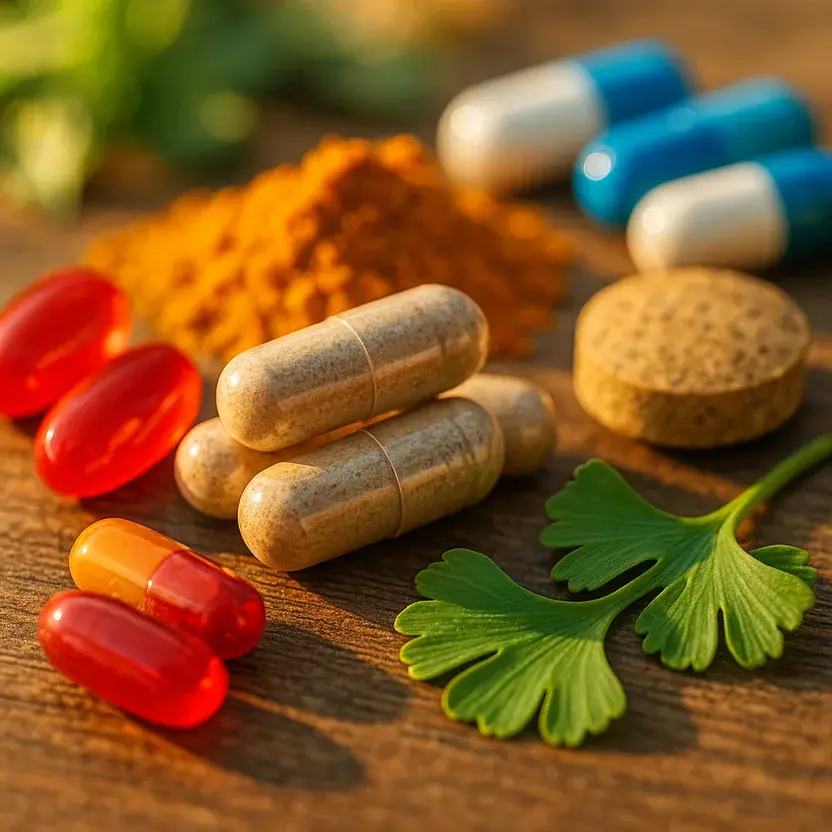
The Cognitive Stack: Evidence-Based Nootropics for Focus
Designing a nootropic stack for focus involves curating a combination of supplements that enhance cognitive functions, specifically targeting attention and mental clarity. By understanding the scientific underpinnings and incorporating evidence-backed substances, one…
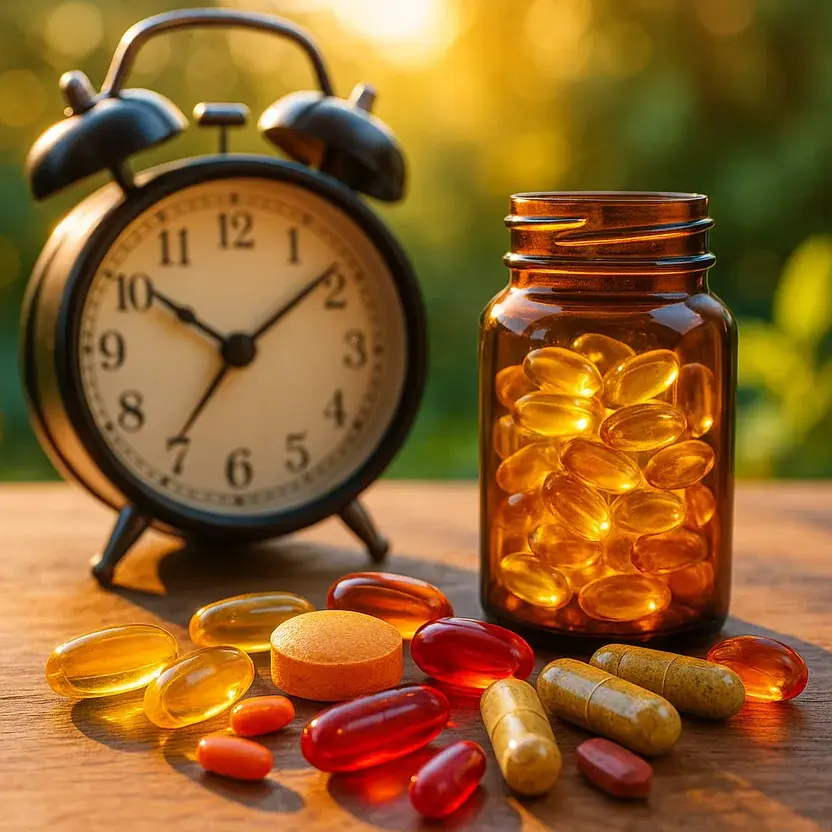
Supplement Timing: The Complete Daily Schedule
The best time to take supplements varies depending on the type of supplement and your personal goals, but for most foundation supplements like vitamins and minerals, timing can significantly impact their effectiveness.…
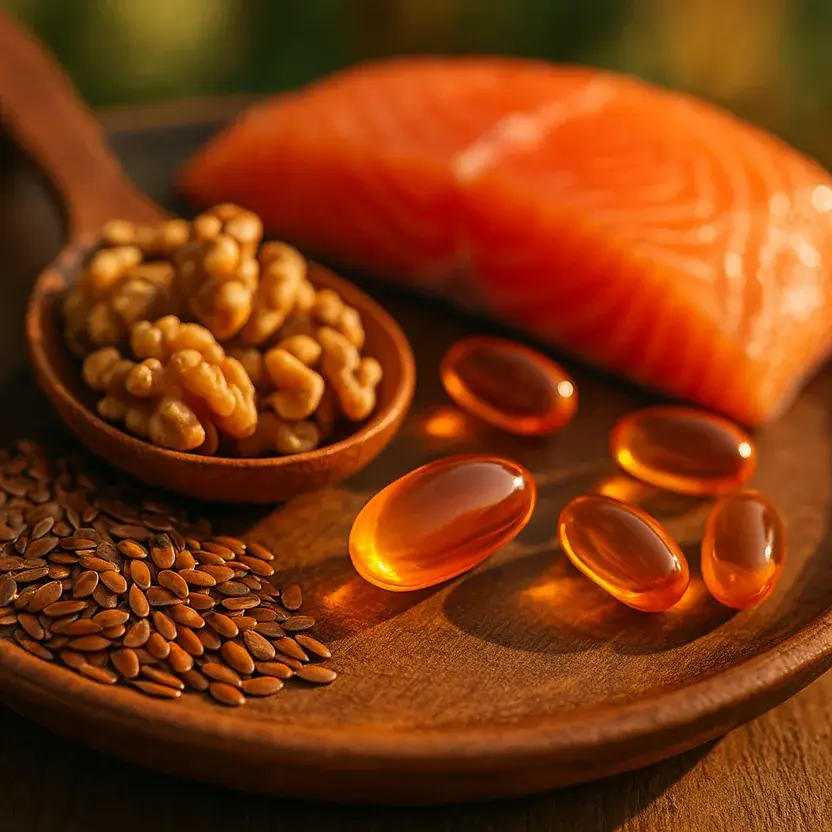
Omega-3 Dosage: How Much EPA/DHA Actually Works
Finding the right omega-3 EPA DHA dosage is crucial for executives seeking enhanced cognitive function and overall well-being. A daily intake of 1,000 to 2,000 mg of combined EPA and DHA is…
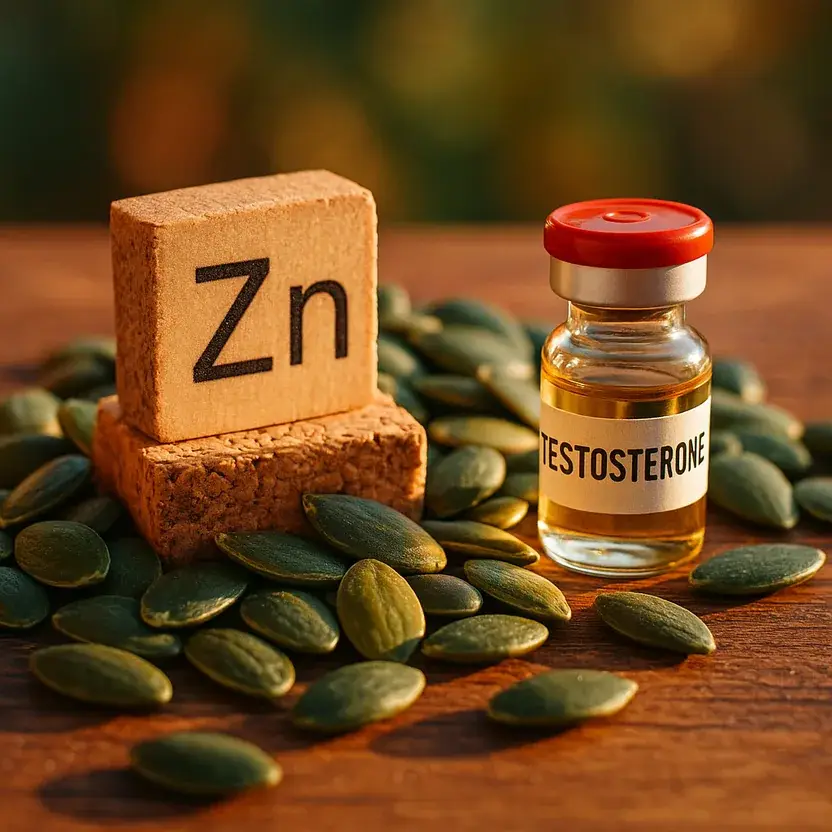
Zinc and Free Testosterone: The Overlooked Deficiency
Zinc and testosterone share a crucial relationship that can influence overall health, particularly for high-performance executives seeking to optimize their physical and mental capabilities. Addressing zinc deficiency can positively impact free testosterone…

Ashwagandha KSM-66: The 27.9% Cortisol Reduction (RCT)
Ashwagandha KSM-66 cortisol reduction is clinically supported, showing significant benefits in stress management. Research indicates a 27.9% decrease in cortisol levels, making it a pivotal supplement for executives seeking high performance and…
Magnesium Glycinate: Benefits Dose and Why This Form
Magnesium glycinate benefits extend beyond traditional expectations, offering a highly bioavailable and well-tolerated form of magnesium essential for high-performance executives. This supplement supports crucial bodily functions such as sleep regulation, muscle recovery,…
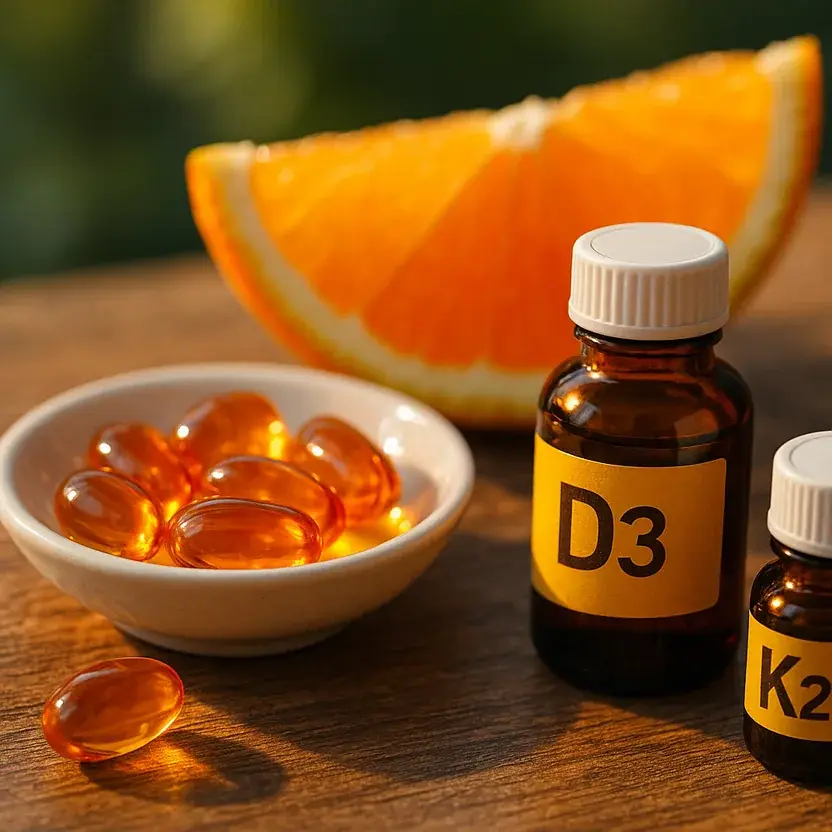
Vitamin D3 + K2 Dosage: Why You Should Never Take D3 Alone
Vitamin D3 and K2 dosage may play a critical role in enhancing health outcomes, especially among high-performance executives. Combining these supplements ensures better calcium utilization and cardiovascular protection. In this article, we…
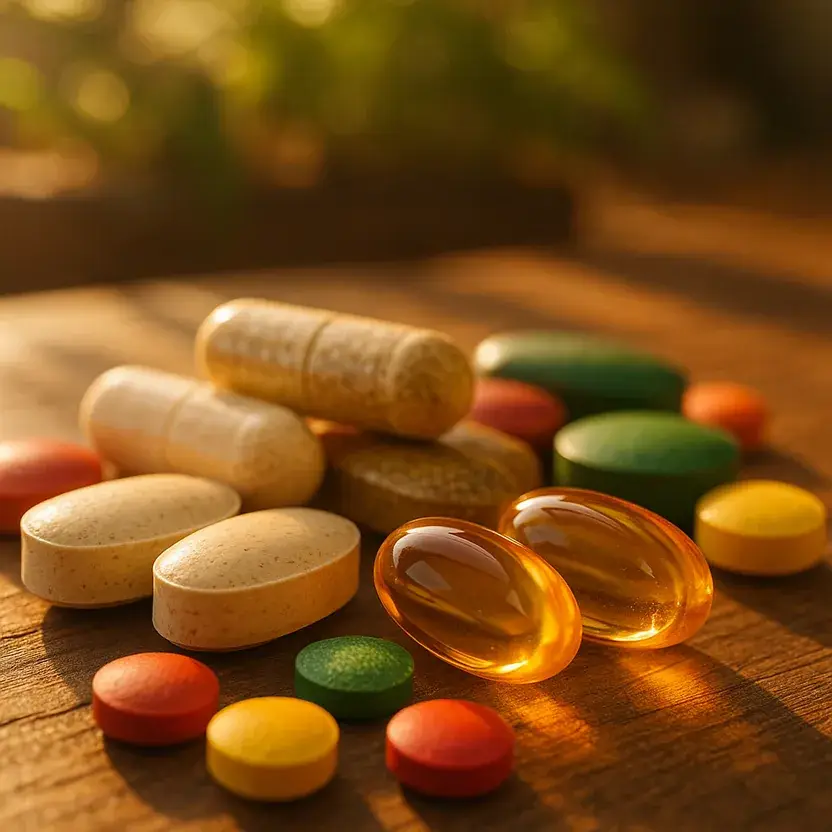
The Foundation Supplement Stack: 5 Evidence-Based Essentials
Building a foundational supplement stack can optimize performance and enhance well-being for high-performance executives. This stack includes five key supplements, each supported by evidence to help improve mental clarity, energy, and resilience.…

Should You Cold Plunge After Lifting? (mTOR Timing)
Wondering whether to take a cold plunge after your workout ? The answer depends on your fitness goals. Cold exposure can aid in reducing muscle soreness but might interfere with muscle growth…

Cold Exposure and Dopamine: The 250% Focus Effect
Cold exposure and dopamine are intricately linked through a rise in neurotransmitter levels that may boost focus and cognitive clarity by up to 250%. Recent studies suggest that deliberate cold exposure can…

Sauna Benefits: The 40% Mortality Data (KIHD Study)
Sauna benefits extend beyond relaxation, offering significant health advantages, including a 40% reduction in mortality according to the KIHD study. Regular sauna sessions can improve cardiovascular health, enhance recovery, and support overall…

Cold Shower vs Ice Bath: Which Is Worth Your Time?
The debate of cold shower vs ice bath often centers on efficiency and effectiveness for enhancing performance and recovery. While both methods offer benefits, choosing between them depends on specific goals and…

Cold Exposure and Testosterone: Whats Real Whats Hype
Cold exposure has been suggested as a natural way to boost testosterone levels, but what does the science say? While evidence points to short-term increases in certain cases, consistent, long-term benefits are…

Cold Shower Protocol for Beginners: The 30-Day Ramp
The cold shower protocol for beginners offers a simple entry point into the world of cold exposure therapy, providing both physiological and psychological benefits. This 30-day ramp protocol is designed to gently…

Cold Exposure Protocol: From Cold Showers to Ice Baths
Cold exposure benefits are gaining attention as an effective tool for enhancing mental and physical performance. From reducing inflammation to boosting alertness, cold exposure can be a strategic component of a high-performance…
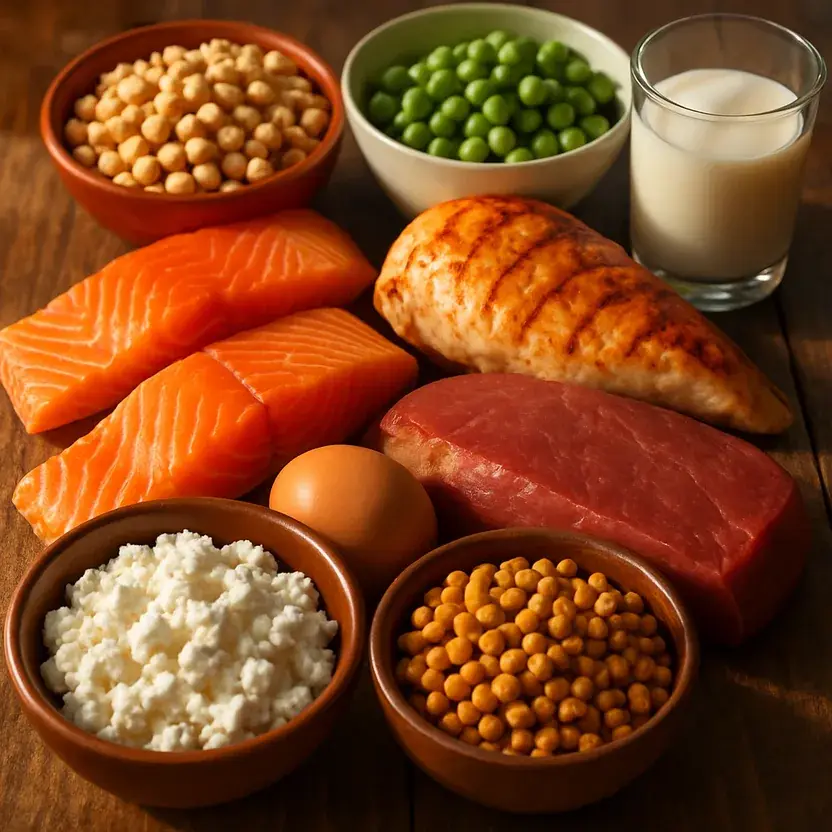
How Much Protein per Meal to Maximize Muscle (30-35g)
Optimizing protein intake is crucial for anyone looking to enhance muscle mass. Research indicates that consuming 30-35 grams of protein per meal is optimal for maximizing muscle protein synthesis. This range supports…
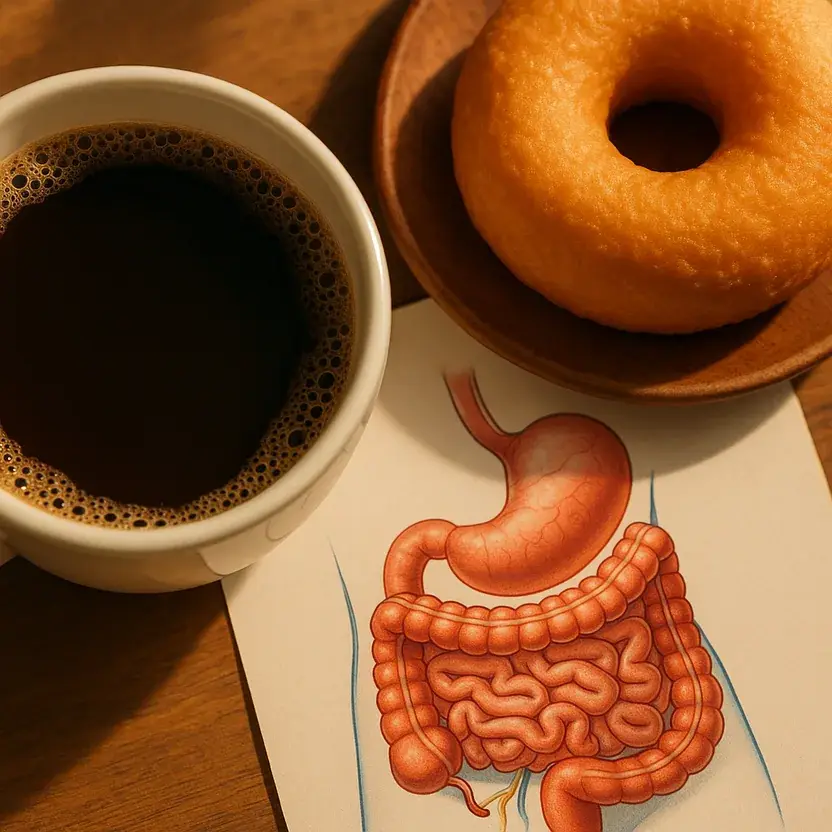
Does Coffee Break a Fast? The Honest Answer
Does coffee break a fast? In most cases, drinking black coffee does not disrupt a fast, due to its negligible calorie content. However, individual responses can vary based on metabolic and hormonal…
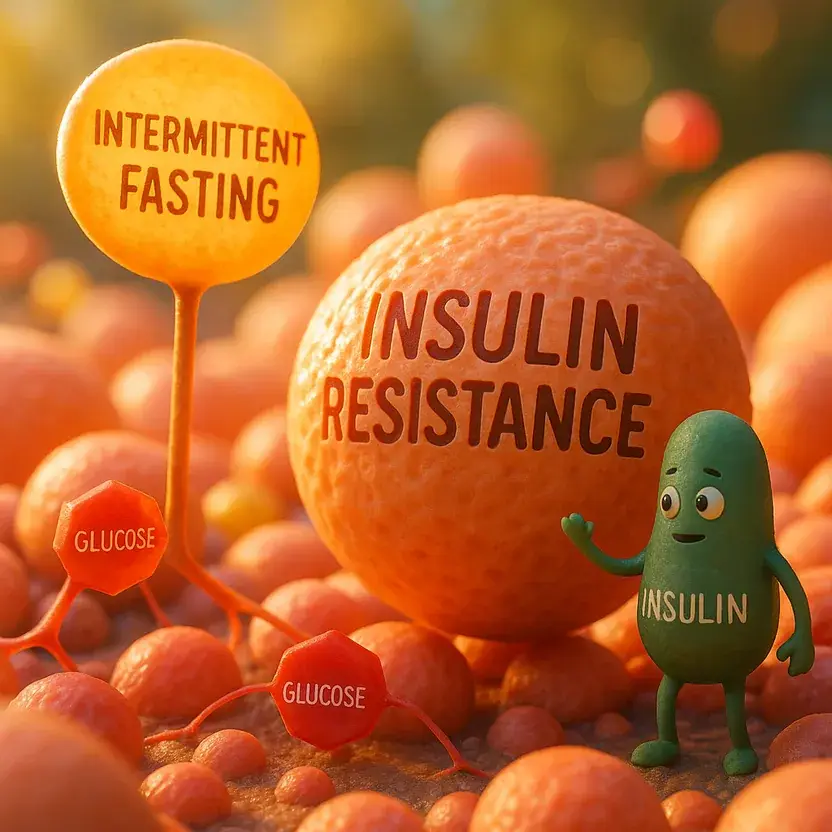
Intermittent Fasting for Insulin Resistance: What the Data Says
Intermittent fasting is an increasingly popular approach for tackling insulin resistance, a condition linked to metabolic disorders. By alternating periods of eating and fasting, individuals may improve insulin sensitivity and promote better…
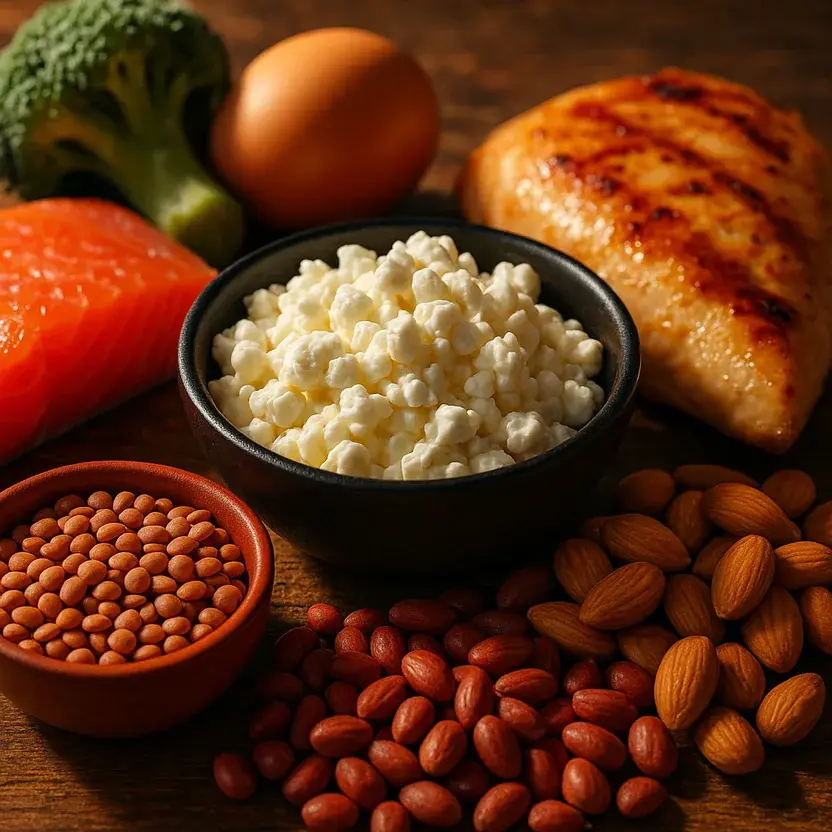
The Leucine Threshold: How Much Protein per Meal for Muscle
The leucine threshold per meal is crucial in determining the optimal amount of protein needed to maximize muscle protein synthesis (MPS). For high-performance executives looking to build or maintain muscle, understanding this…
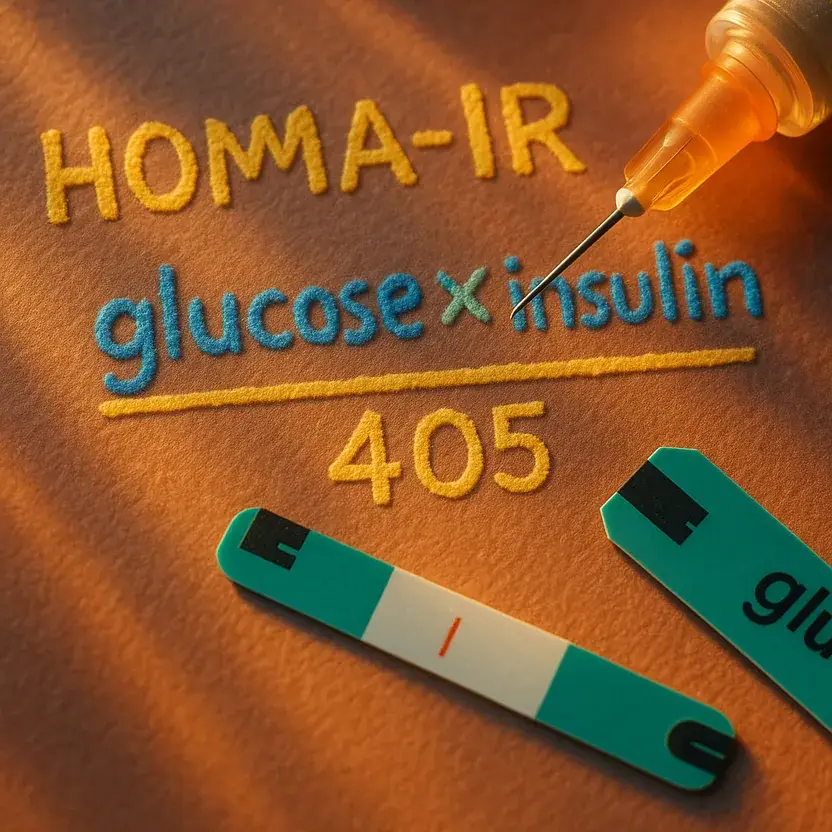
HOMA-IR Explained: How to Calculate Your Insulin Resistance
HOMA-IR is a medical formula used to assess insulin resistance, a key indicator of metabolic health. To calculate HOMA-IR, use fasting glucose and insulin data in a specific equation. Understanding this measure…
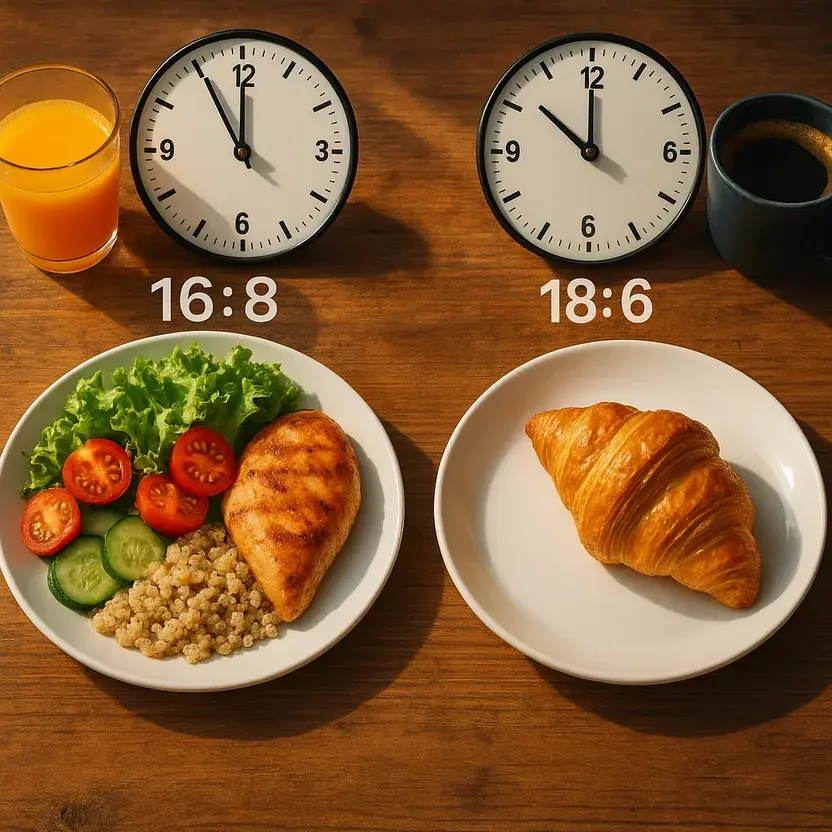
16:8 vs 18:6: Which Fasting Window for Insulin Resistance?
Deciding between the 16:8 vs 18:6 fasting windows can impact how effectively you manage insulin resistance . The 16:8 approach involves fasting for 16 hours and eating within an 8-hour window, while…

16:8 Intermittent Fasting: The Metabolic Flexibility Protocol
16:8 Intermittent fasting, a popular fasting method for high-performance individuals, enhances metabolic flexibility by aligning your eating and fasting windows to optimize energy use. This approach aids in weight management, mental clarity,…
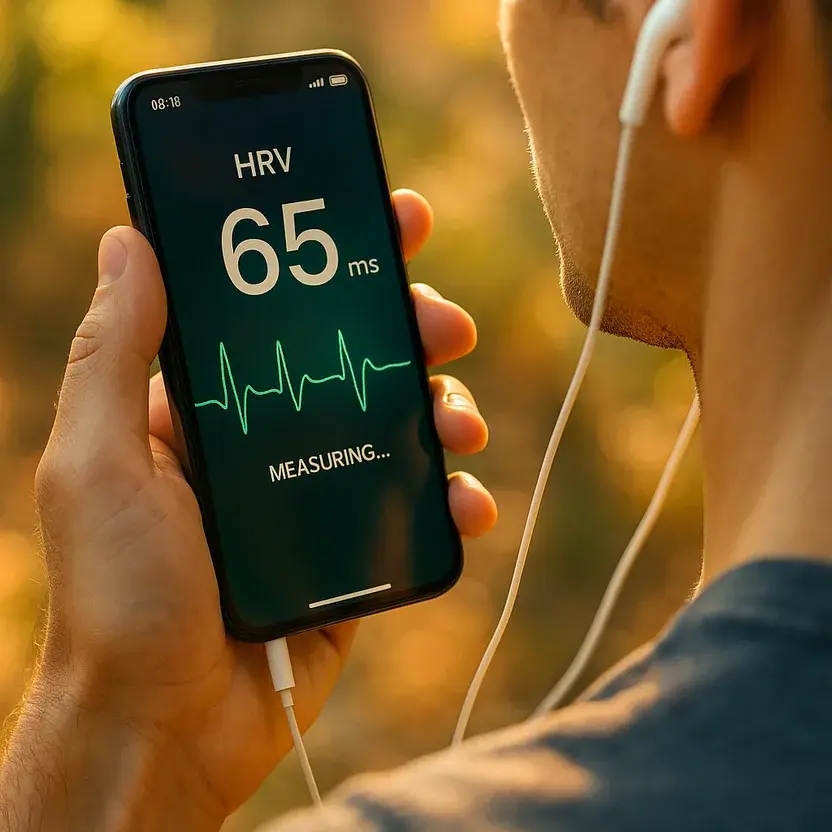
The Only Correct Time to Measure HRV (Morning Protocol)
Measuring Heart Rate Variability (HRV) is most effective in the morning. This time provides a consistent and controlled environment, ensuring accurate data to gauge your autonomic nervous system recovery. By focusing on…

HRV and Overtraining: Reading the Warning Signs
HRV and overtraining is a topic that's gaining traction among high-performance executives interested in optimising their performance. It's essential in recognising the early warning signs to prevent burnout and mitigate training stress…

How to Improve Your HRV: 7 Evidence-Based Levers
Heart Rate Variability (HRV) is a key physiological marker used in the biohacking community to measure the state of your nervous system and overall health. If you're looking to improve your HRV,…

Oura vs WHOOP for HRV: Which Is More Accurate?
When it comes to monitoring heart rate variability (HRV), choosing between the Oura Ring and the WHOOP strap can be a tough decision. This post will compare Oura vs WHOOP for HRV…

Circadian Rhythm Optimization: The Complete Light Protocol
The concept of circadian rhythm optimization is a key component in clinical biohacking, used by top-performing executives to enhance productivity, mental clarity, and overall health. This systematic approach is centred around syncing…
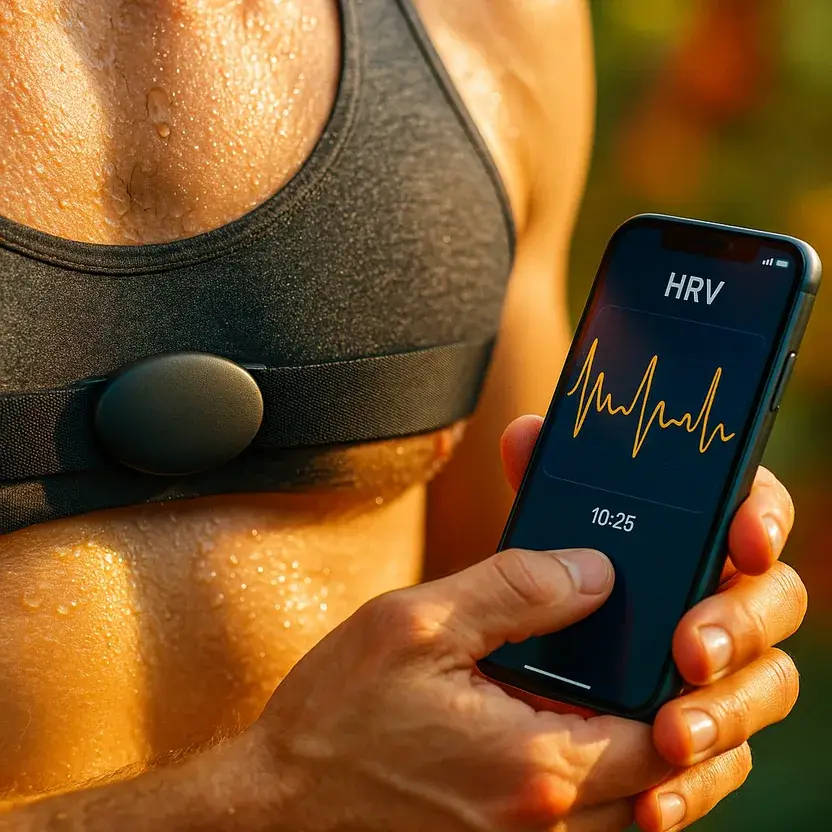
How to Use HRV to Decide When to Train (3-Tier System)
Whether you're a high-performing executive or an athlete, understanding how to use HRV for training can optimize performance and recovery. By monitoring and interpreting your Heart Rate Variability (HRV), you can determine…
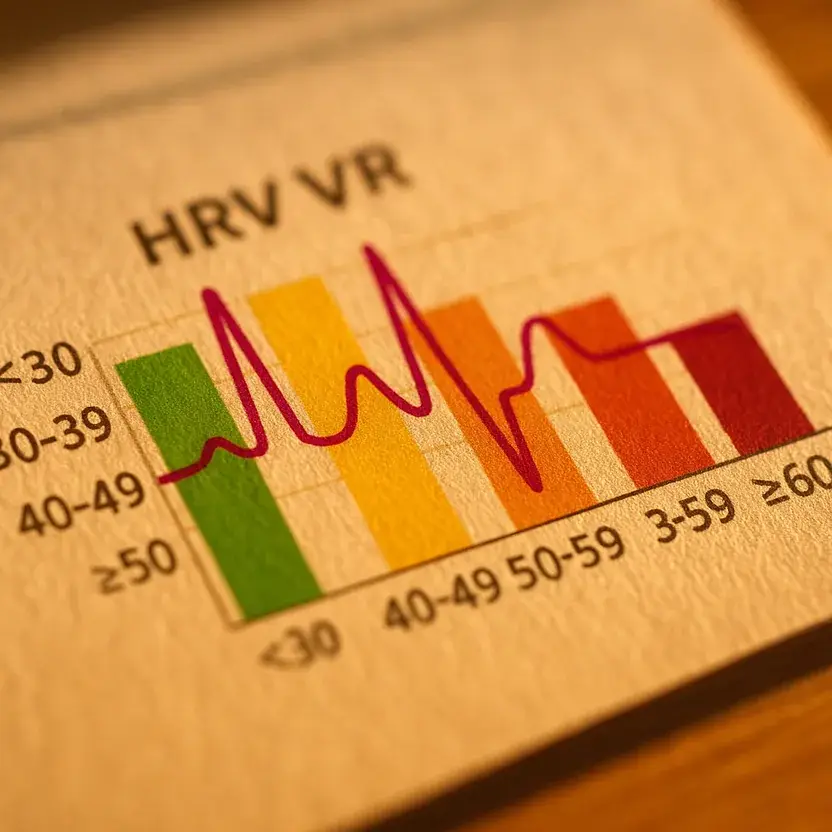
What Is a Good HRV by Age? (With Reference Ranges)
A good HRV (heart rate variability) by age could be identified as an indicator of heart health and stress management among high-performance executives. In general, a higher HRV corresponds to better cardiovascular…
HRV Explained: Use Heart Rate Variability to Train Smarter
Heart Rate Variability (HRV) is a crucial marker of fitness and health, frequently used by high-performance executives for clinical biohacking. This post provides an explanation, notably; what is HRV, its scientific mechanism,…
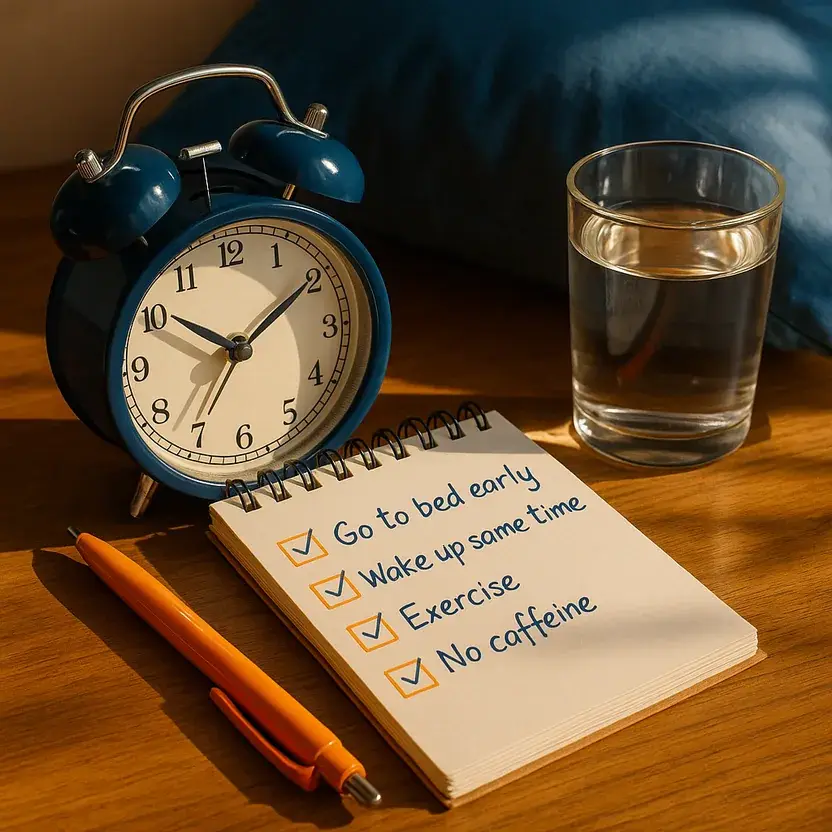
How to Fix Your Sleep Schedule: The Circadian Reset
If you're wondering how to fix your sleep schedule, you're in the right place. The key to readjusting your sleep schedule lies in the understanding and manipulation of your circadian rhythm —…

The Best Room Temperature for Deep Sleep (16-19C)
The best room temperature for deep sleep is consistently reported to be between 16-19C (60.8-66.2F). This provides the optimal environment for a restful night's sleep and full entry into the stages of…
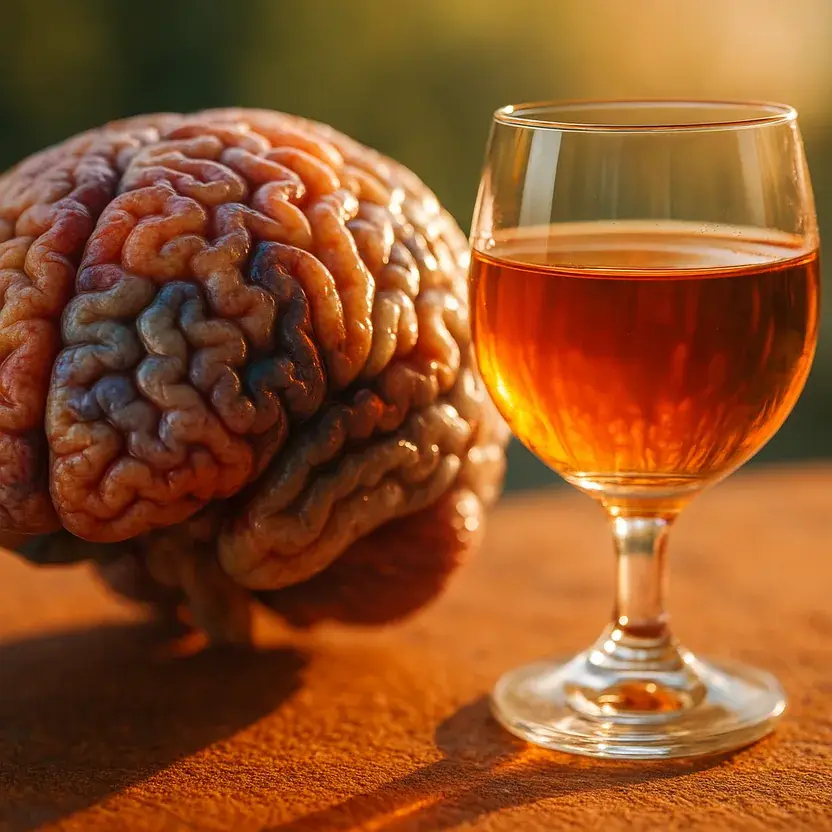
How Alcohol Wrecks Your REM Sleep (and the 3-Hour Rule)
Understanding how alcohol affects REM sleep is crucial for executives who strive to optimize their brain performance. Research indicates that even moderate alcohol intake can interrupt your sleep architecture, negatively interfering with…
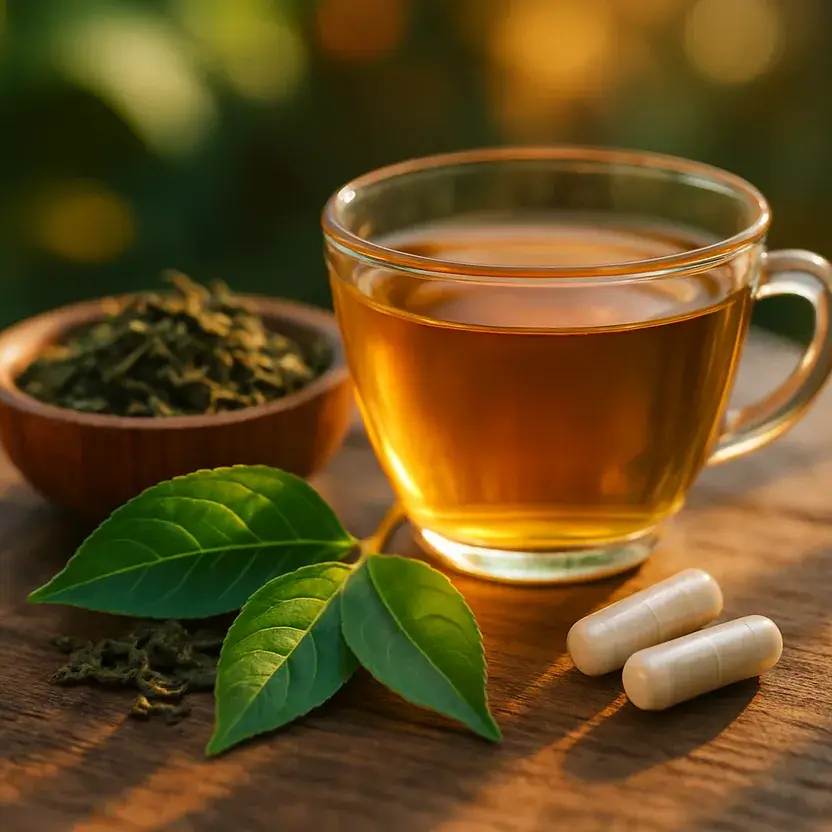
L-Theanine for Sleep: How It Works and How Much to Take
L-Theanine for sleep is a beneficial amino acid shown to improve both the quality and quantity of sleep. As a bioactive constituent of green tea, its calming effects have been broadly recognized.…

Magnesium Glycinate for Sleep: The Right Dose and Timing
Struggling with sleep quality? You may benefit from the right magnesium glycinate dosage for sleep . Optimally-timed doses of this crucial mineral can improve sleep architecture, leading to better rest and recovery…
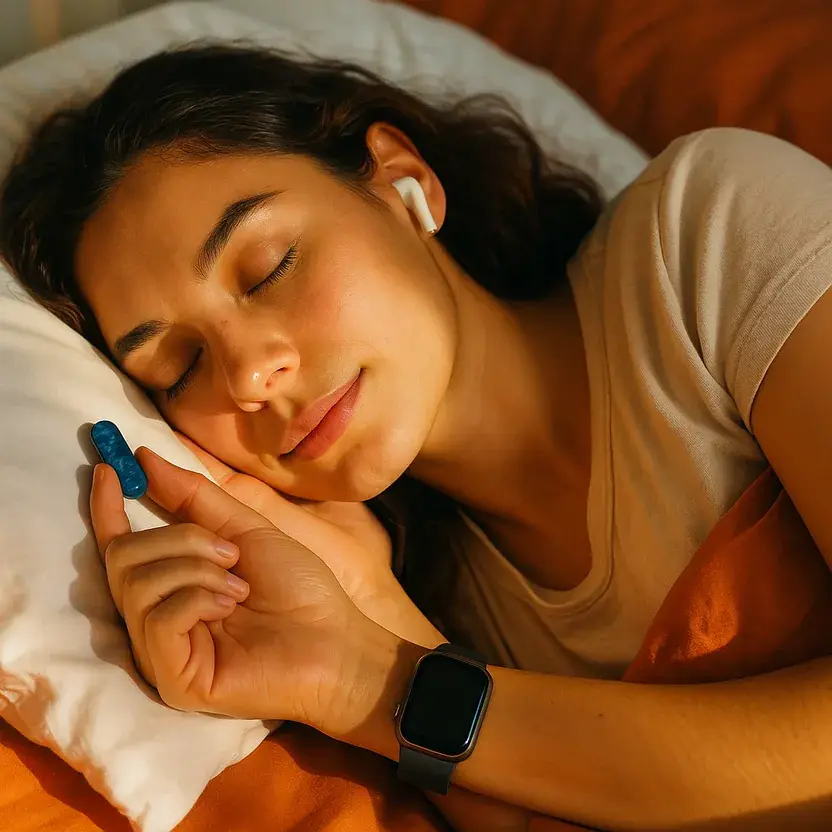
How to Increase Deep Sleep: The Complete Sleep Architecture Guide
If you're wondering how to increase deep sleep , you've come to the right place. Enhancing the quality and duration of deep sleep can significantly improve mental and physical performance during your…

Slow-Wave Sleep vs REM: What Each Stage Actually Does
When it comes to neuroenhancement, your quality of sleep can be a game changer and understanding the differences between slow wave sleep vs REM is a fundamental aspect of this. CobaltMind Press…
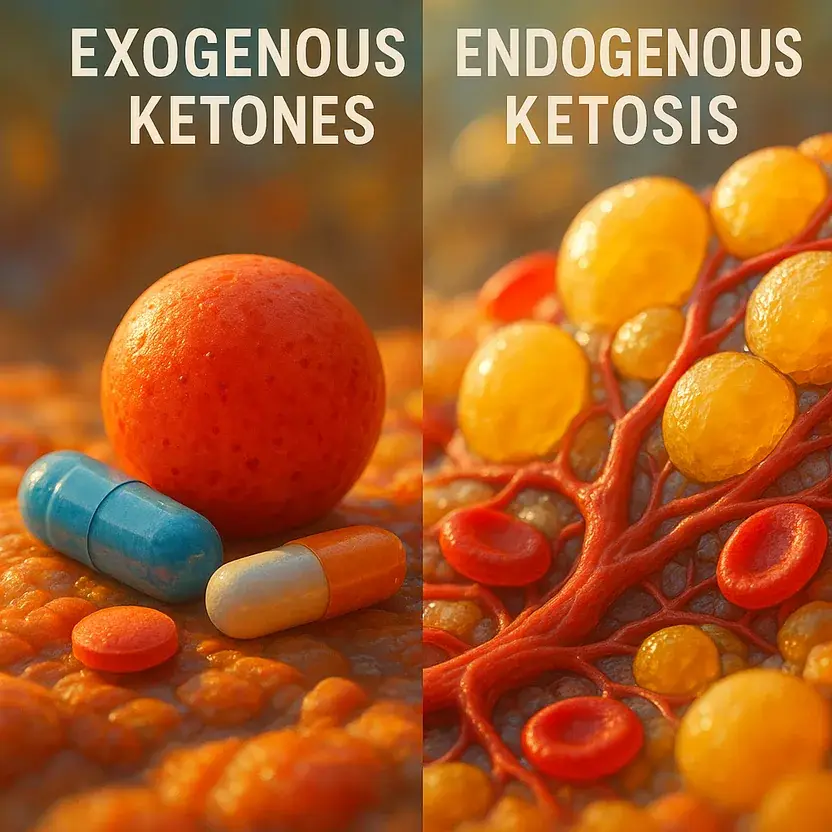
The Ultimate Guide to Exogenous Ketones vs Endogenous Ketosis for Peak
Introduction to Keto Nutrition: Exogenous Ketones vs Endogenous Ketosis As we continue to explore the realms of nutritional science and neuroscience, one topic that frequently provokes discussion is the ketogenic diet and…
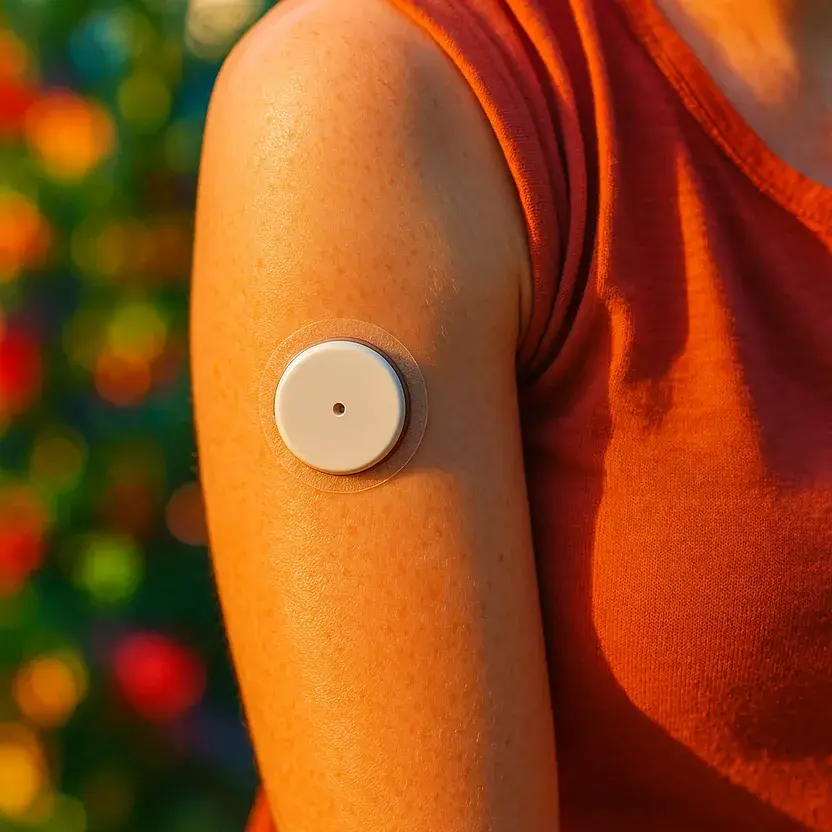
The Ultimate Guide to Continuous Glucose Monitors (CGMs) for Biohackin
Unlocking the Power of Continuous Glucose Monitors for Biohacking Introduction: The Cutting Edge of Biohacking As an esteemed neuroscientist and biohacker, I have contemplated and scrutinized every form of technology that could…

The Ultimate Guide to Adaptogens: Ashwagandha and Cortisol Modulation
Introduction The exploration and study of botanical compounds that serve to optimize human performance, often termed as 'biohacking', has grown exponentially in recent years. One of the most promising categories of these…
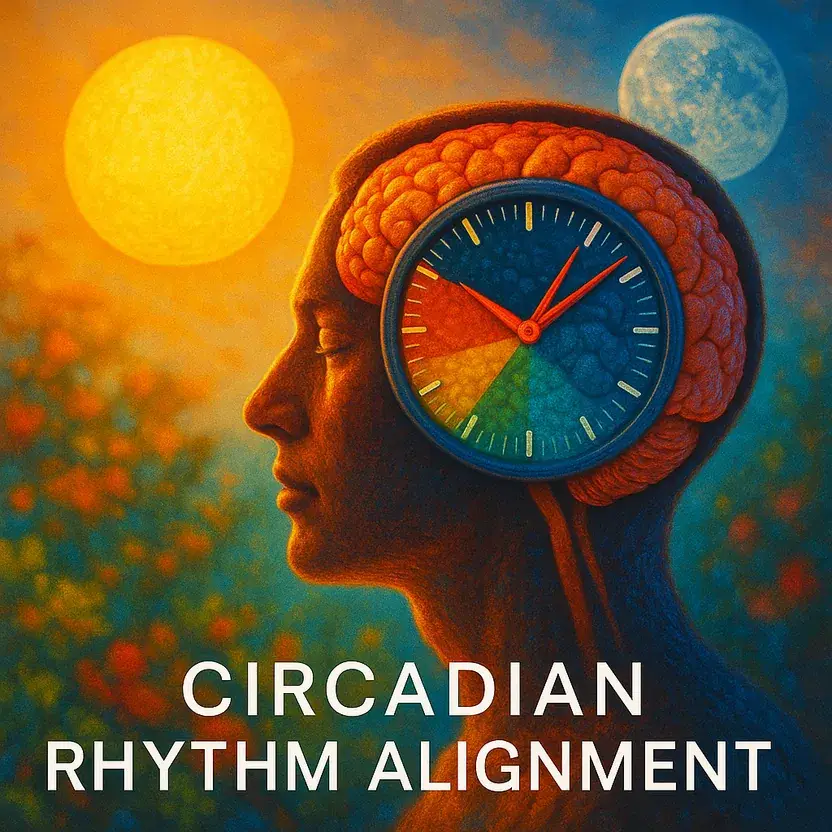
The Ultimate Guide to Circadian Rhythm Alignment for Peak Performance
Introduction As a seasoned neuroscientist and biohacker, I always probe into ways to enhance our cognitive abilities, improve productivity and promote overall wellness. One of the crucial elements I've uncovered in my…

The Ultimate Guide to NAD+ Boosters and Longevity for Peak Performance
NAD+ Boosters and Longevity: A Detailed Examination Introduction With longevity science experiencing a breakthrough in recent years, a related topic, Nicotinamide Adenine Dinucleotide (NAD+) , has risen to popularity. NAD+ serves as…

The Ultimate Guide to Heat Shock Proteins and Sauna Benefits for Peak
Saunas and Heat Shock Proteins: A Biohacker's Guide As a renowned neuroscientist and biohacker, I've focused extensively on the optimization of human health and performance. An area I've been particularly intrigued by…

The Ultimate Guide to Exogenous Ketones vs Endogenous Ketosis for Peak
Exogenous Ketones vs Endogenous Ketosis The Stunning Science of Exogenous Ketones and Endogenous Ketosis: An Exploration Unveiling the world's intricate biochemistry can enlighten us about the power and potential of exogenous ketones…
The Ultimate Guide to Ketosis for Brain Energy for Peak Performance
Ketosis for Brain Energy: A Science-Based Analysis Introduction: Unleashing the Power of Ketosis for Brain Energy The brain, despite its small size relative to the rest of the body, consumes a significant…

The Ultimate Guide to Microbiome Optimization for Mental Clarity for P
Microbiome Optimization for Mental Clarity Your gut microbiome – the ecosystem of trillions of bacteria living in your digestive tract – influences not just physical health, but also plays a crucial role…

The Ultimate Guide to Photobiomodulation for Brain Health for Peak Per
Modern research reveals a fascinating tool for brain health - Photobiomodulation (PBM). The idea of shining a light on the brain to enhance its function may sound like science fiction, but the…

The Ultimate Guide to Sleep Optimization and Deep Delta Waves for Peak
Introduction: The Neuroscience of Sleep Optimization Science has long established that quality sleep is a cornerstone of overall health and well-being. However, our understanding of what actually constitutes 'quality sleep' has evolved…
The Ultimate Guide to Dopamine Detox and Receptor Reset for Peak Perfo
With the ubiquitous presence of screens and stimuli in our modern world, the natural balance of dopamine in our bodies can be compromised. As a renowned neuroscientist and biohacker akin to Dr.…
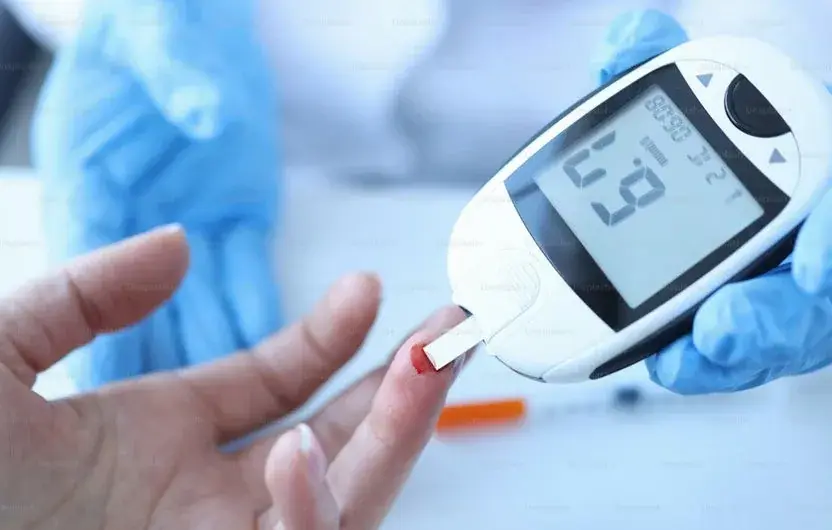
The Ultimate Guide to Continuous Glucose Monitors (CGMs) for Biohackin
In our constant quest for biohacking - exploring and exploiting the edges of human physiology and cognition to optimize performance - we have turned our attention to something that might seem mundane…

The Ultimate Guide to Transcranial Direct Current Stimulation (tDCS) f
Emerging at the forefront of biohacking and neuroscience, Transcranial Direct Current Stimulation (tDCS) represents a promising, non-invasive method for improving cognitive function. This cutting-edge technology, which carefully administers low levels of electrical…